The Lindy effect
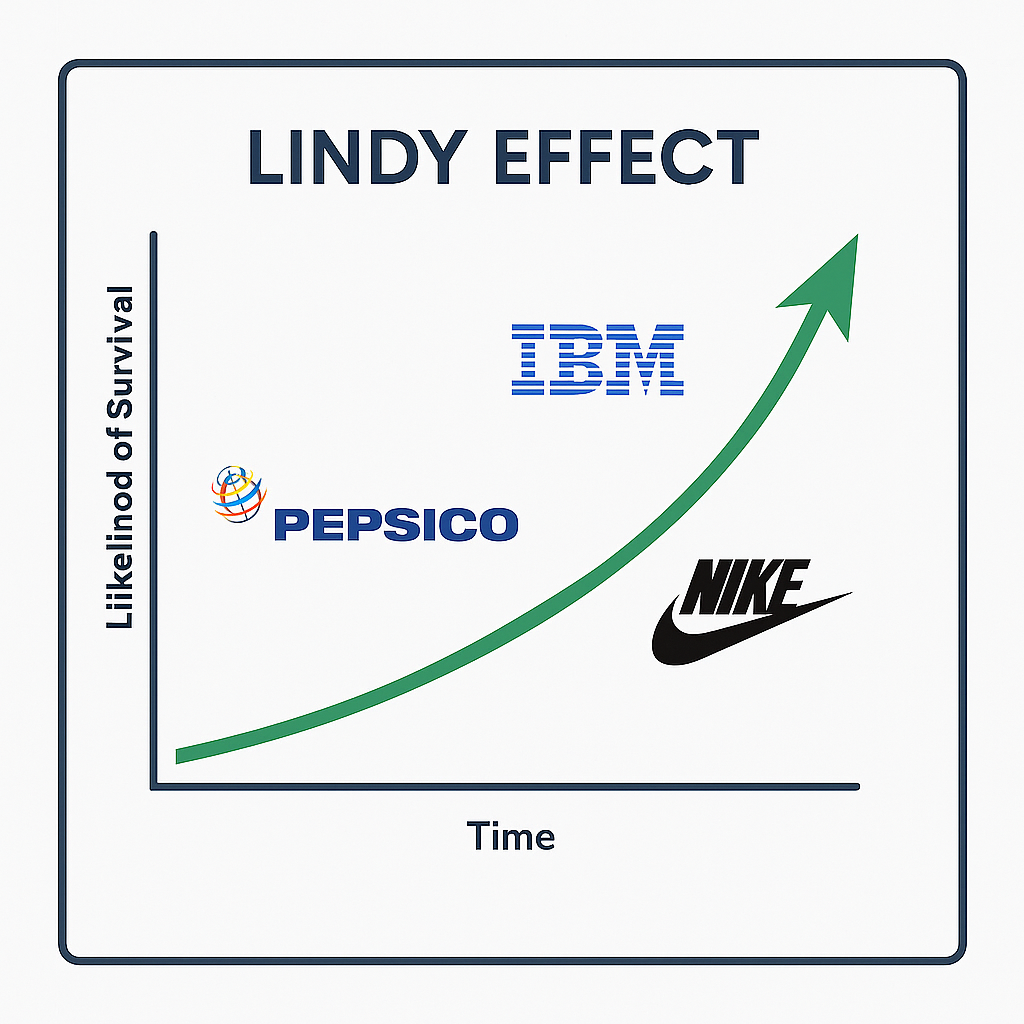
In investing, trends rise and fade, but time is the ultimate test. The Lindy Effect states that the longer a company has been around, the more likely it is to endure. Longevity becomes a marker of resilience.
On the stock market, firms like IBM, PepsiCo and Nike are not just old. They have shown they can adapt, withstand downturns and keep creating value. Their brands, scale and business models have stood the test of time.
For investors, that brings clear benefits. Lindy companies often remain profitable, pay reliable dividends and deliver steady growth, making them strong candidates for compounding returns. In crises, they typically recover faster or even emerge stronger.
Instead of chasing hype or short-term spikes, the Lindy Effect points toward businesses that have already proven themselves. This approach lowers risk and helps build a resilient, long-term portfolio, sometimes led by the quiet performers that have thrived for decades.
Disruptive technologies
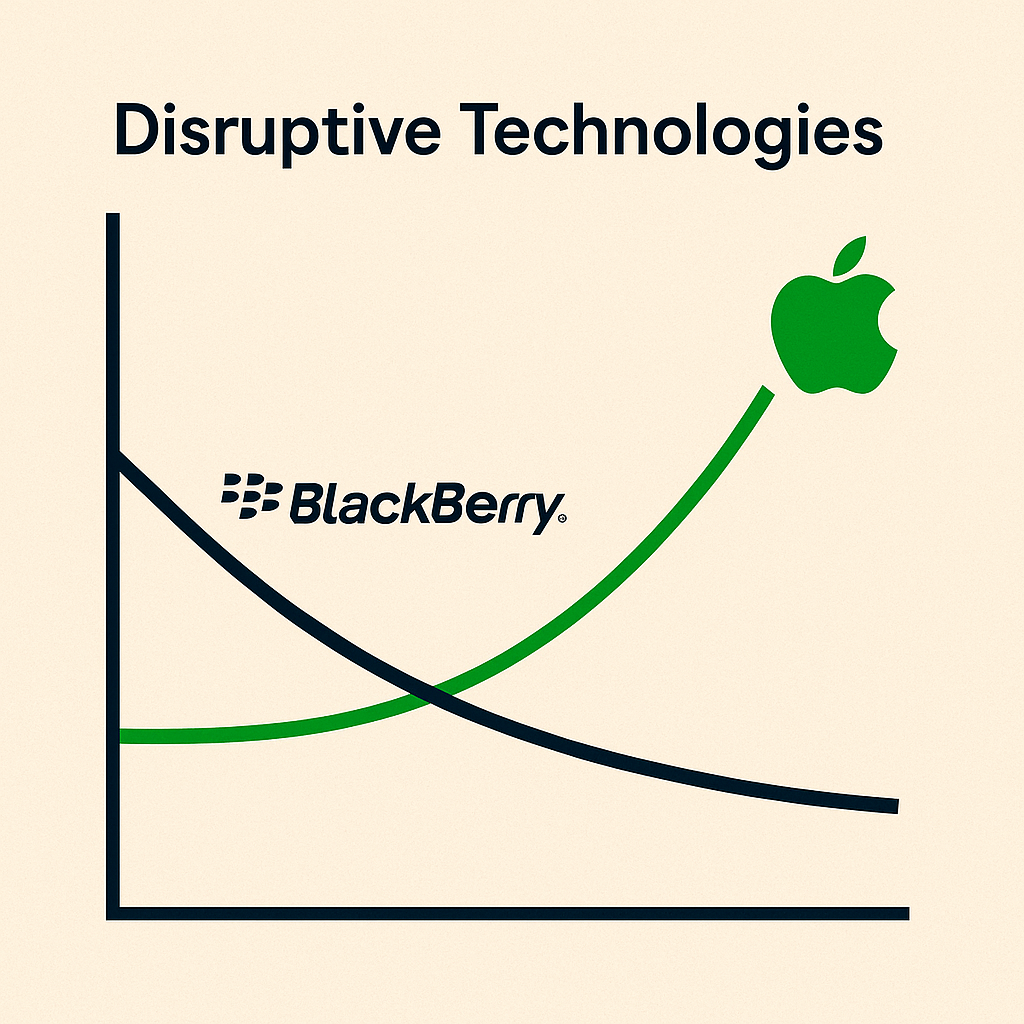
Disruptive technologies are innovations that transform entire industries. They do not simply improve what exists, they replace it. Think of how Netflix changed television, how Tesla is reshaping mobility, or how artificial intelligence is redefining productivity.
These technologies often start small and unnoticed, but as adoption grows, they shift behavior and raise expectations. Companies that lead disruption can grow rapidly, especially when supported by global reach or network effects. Apple, Nvidia, and Amazon all began as challengers before becoming industry leaders.
For investors, this presents significant potential, but also risk. Not every innovation delivers. Real-world traction, timing, and execution matter just as much as bold ideas.
Investing in disruptive technologies means focusing on what is emerging rather than what is established. It requires vision, selectivity, and the willingness to embrace change before it becomes mainstream. Disruption is not a trend, it is a lasting driver of market evolution.
Parrondo’s paradox
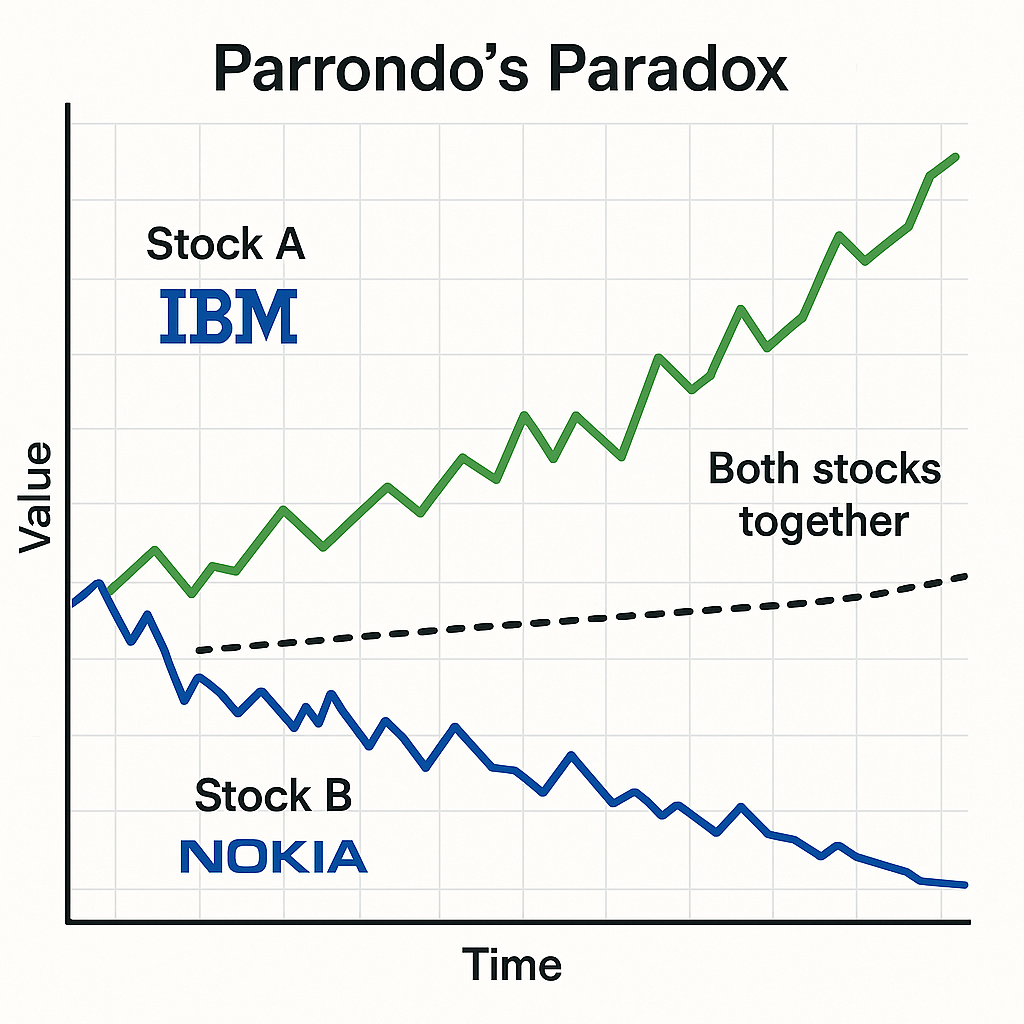
Parrondo’s Paradox shows that two losing strategies, when combined wisely, can produce a winning result. In investing, this means that rotating between underperforming assets or approaches can still lead to long-term gains. For example, shifting between defensive stocks and high-growth sectors, or rebalancing between volatility and stability, may outperform either strategy on its own.
The value lies not in each individual move, but in how they interact over time. This challenges the idea that every trade must succeed on its own. Instead, it highlights the importance of timing, structure, and diversification in portfolio design.
For investors, the paradox offers a powerful insight: resilience and performance can come from thoughtful combinations, even if the parts seem weak in isolation. In an unpredictable market, understanding this principle can unlock new ways to generate consistent, long-term results through smart portfolio engineering.
Self-fulfilling prophecy
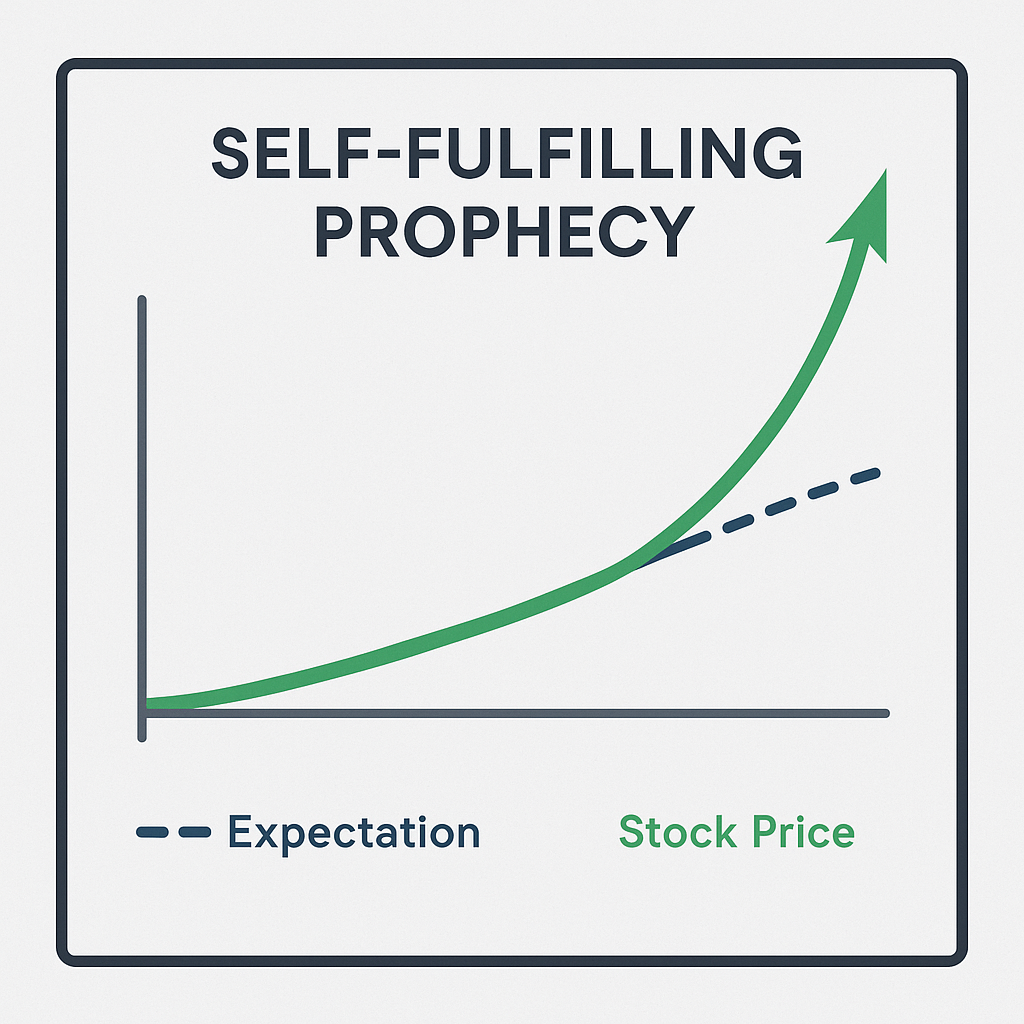
A self-fulfilling prophecy occurs when an expectation influences behavior in a way that causes the expectation to become reality. In financial markets, this is a powerful dynamic. When enough investors believe that an asset will rise, their collective buying can actually push the price upward.
This happens often during hype cycles or around technical signals. If traders expect a breakout and act on it, they may cause the breakout themselves. The same works in reverse, fear of a drop can trigger the very selloff investors hoped to avoid.
For investors, understanding this feedback loop is essential. Markets are not purely logical. They are shaped by sentiment, timing, and collective belief.
Recognizing how expectations drive price movements helps explain short-term volatility and even long-term trends. It shows that perception can shape financial reality, and that investor psychology plays a key role in how markets behave.